
Connecting Silk Road travel legs in the Caucasus and Central Asia
The historic Silk Road was not a single route, but a network of connections between cities, mountain passes, markets and cultural regions. A modern journey following these traces should therefore not try to recreate one continuous route. It makes more sense to choose a suitable section in the Caucasus or Central Asia and shape it around historic sites, landscapes, regional cuisine and accessible routes.
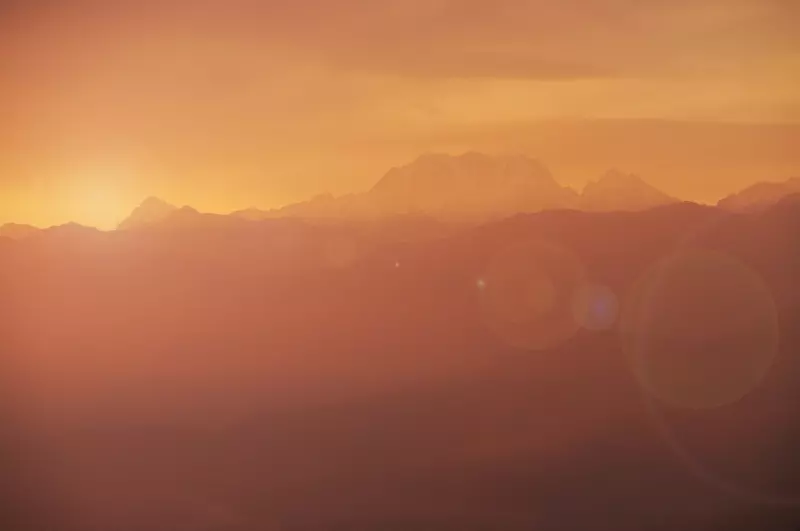 Die Silhouette des Tian-Shan-Gebirges liegt bei warmem Abendlicht hinter einer weiten Landschaft.
Photo: Alesia
Die Silhouette des Tian-Shan-Gebirges liegt bei warmem Abendlicht hinter einer weiten Landschaft.
Photo: Alesia
Quick facts: The historic Silk Road in the Caucasus and Central Asia
- The Silk Road refers to an extensive network, not one continuous road.
- Cities, trading centers, mountain passes and landscapes each tell a different part of the story.
- Borders, visas, transport and seasonal conditions determine which legs are practical to reach.
- A slower pace, with longer stays, makes cultural connections easier to understand.
- For mountain regions, weather, altitude, transfers and daylight are especially important.
- Respect for local customs and care when visiting religious sites are essential parts of preparation.
Choose a theme instead of an overly long route
Start with a clear interest: historic cities, caravan routes, architecture, markets, mountain scenery or the connections between different cultures. Trying to see everything at once can quickly mean spending more time in transit than at the places themselves. A trip focused on two to four priorities is easier to tailor to the season, budget and your own experience. For context, see the guides to culture and history and history and memorial sites.
In the Caucasus, cities, mountain regions and religious buildings can be close together, while in Central Asia, greater distances and varied landscapes shape the itinerary. The information on cities, old towns and architecture can help you choose urban stops. For wide-open landscapes, explore mountains and mountain scenery and lakes and wetlands.
Plan legs and routes realistically
A historic route can look simpler on a map than it is in practice. For each leg, check the mode of transport, travel time, road conditions, transfer to your accommodation and an alternative in case of disruption. Overnight journeys can save time, but they are not restful for everyone. A longer stay in a central location leaves room for spontaneous discoveries and an excursion if the weather is poor.
Mountain passes and remote valleys should not be combined with a tightly packed city itinerary. The demands of hiking, trekking and climbing need to match your fitness, equipment and return route. If you prefer a slower pace, combine the trip with peaceful nature retreats or an additional stay in a city.
Culture, daily life and respectful visits
Historic sites are more than backdrops. Many buildings are still used for religious purposes, markets serve local communities, and villages have their own expectations around clothing, photography and behavior. Find out what to expect before your visit, ask if you are unsure, and avoid taking photos of people without their consent. Museums, fortresses and archaeological sites often have specific rules about bags, tripods and guided tours.
Food and crafts also help bring a region’s history to life. Markets and regional dishes can be paired with ideas from food and local specialties. If you are interested in religious buildings, allow plenty of time and dress appropriately. A slower itinerary is usually more respectful and attentive than a long list of places to tick off.
Travel seasons, health and documents
Spring and autumn can offer pleasant conditions in many regions, but altitude and the specific landscape affect the climate. For summer trips to arid areas, prepare sun protection, water and light clothing; in the mountains, you will need extra warm layers. Keep medicines, insurance details and copies of important documents in separate, secure places.
Before booking, check entry requirements, border crossings, local transport and current safety advisories with the relevant official authorities. UNESCO describes the Silk Roads as a historic network of exchange; for practical trip planning, current regional information remains essential. More sustainable choices, such as longer stays and fewer short transfers, are in keeping with responsible travel. For an extension by the sea, coasts and islands can make up a separate leg of the trip.
For private journeys, it is a good idea to have addresses and important information available in the local script or in a clear translation as well. Keep cash, cards and communication options in more than one place. This makes it easier to handle unexpected changes without losing sight of the purpose of the trip.
FAQ
Is there one single Silk Road route?
No. The term refers to an extensive network of historic connections. Travelers are best off choosing a section that suits their interests and practical needs.
Which region is a good place to start?
That depends on your interests, travel season, entry requirements and experience. A clearly defined section with longer stays is usually a good choice.
What is important for mountain trips?
Altitude, weather, transfers, fitness, equipment and the return route should all be considered together. Include a shorter alternative in your plans.
