
Pohorelá in Slovakia: Ironworks History, Nature and Hotels
Accommodation in Pohorelá
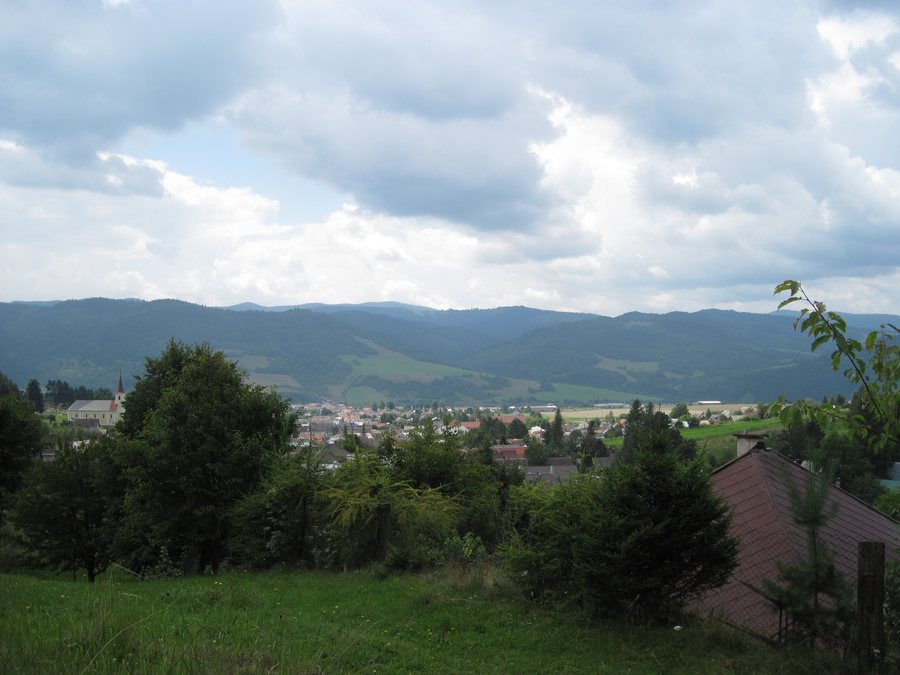
Pohorelá is part of the Horehronie ethnographic region. Within the municipality’s cadastral area, a past closely connected with ironworking, protected moorland and forest landscapes, and routes to prominent places east and south of the municipality come together.
History and Culture
In the 18th century, iron ore mines were opened and an ironworks was built in the cadastral area of Pohorelá. Pohorelská Maša developed as a workers’ settlement in connection with this ironworks. The Pohorelá ironworks complex became the most important iron producer in Gemer County. A specific technical stage in this development followed in 1833: Karol Heyssl built the first rolling mill for sheet metal in the then Kingdom of Hungary within the ironworks complex.
The history of Pohorelská Maša also includes its church. The Roman Catholic church was built in 1903 on the site of a former wooden Coburg manor house. Its windows are decorated with coloured glass. In the year of its consecration, it was dedicated to Saint Philip. Thus, in Pohorelská Maša, the memory of the workers’ settlement, the history of the ironworks, and a sacred building with its own earlier history are closely intertwined.
The folk festival “Dedina ako klenotnica” is held regularly in Pohorelá. Documented editions took place on 13 July 2024, 12 July 2025 and 18 July 2026. The event date is therefore one of the specifically documented cultural dates of the municipality.
Nature
Pohorelské vrchovisko is a nature reserve in the cadastral area of Pohorelá and lies within the protected zone of Nízke Tatry National Park. The area is covered by peat bog plant communities as well as marshy willow, alder and birch forest. Its natural character therefore differs markedly from the historical traces of ironworking and adds an independent landscape dimension to the cultural side of the municipality.
Pohorelské vrchovisko lies near the state road and railway line between Brezno and Červená Skala. This location describes the protected area’s integration into the local transport network without reducing the protected landscape to merely a transit stop.
Routes and Viewpoints
Ždiarske sedlo is a significant tourist saddle and a crossing over the main ridge of the Kráľovohoľské Tatry from Pohorelá to Liptovská Teplička. On the southern slope of Ždiarske sedlo, at the edge of the forest beside the path to Pohorelá, there is a water spring five minutes from the saddle.
East of Pohorelá stands the Chapel of Our Lady of the Seven Sorrows in a field beside a farm track between Pohorelá and Pohorelská Maša. The chapel is a place of peace and prayer and offers views over the Horehronské podolie and the lower mountain peaks of the Nízke Tatry. Thus, the routes described lead from the historic local landscape to a saddle, a spring and a quiet viewpoint.
Accommodation in Pohorelá
The included services, individual price components, and the respective booking and cancellation conditions are equally important. When travelling with several people, occupancy and cost components can be compared directly between the offers. What matters is what is specifically stated on the respective offer page. You can then view and compare the offers.
Other places: Telgárt, Osrblie, Braväcovo, Zavadka Nad Hronom, Predajná, Podbrezová, Mýto Pod Dumbierom, Bystrá
For the higher-level travel overview: Brezno District.

