
Crimea’s Beaches: Coasts, Coves, and Travel Planning
Every resort is popular for its beaches. Crimea is no exception. The Crimean coast offers wonderful opportunities for beach enjoyment, such as sunbathing, admiring nature, trying various water sports, or simply swimming to your heart’s content. It is no coincidence that Crimea is Ukraine’s summer holiday paradise.
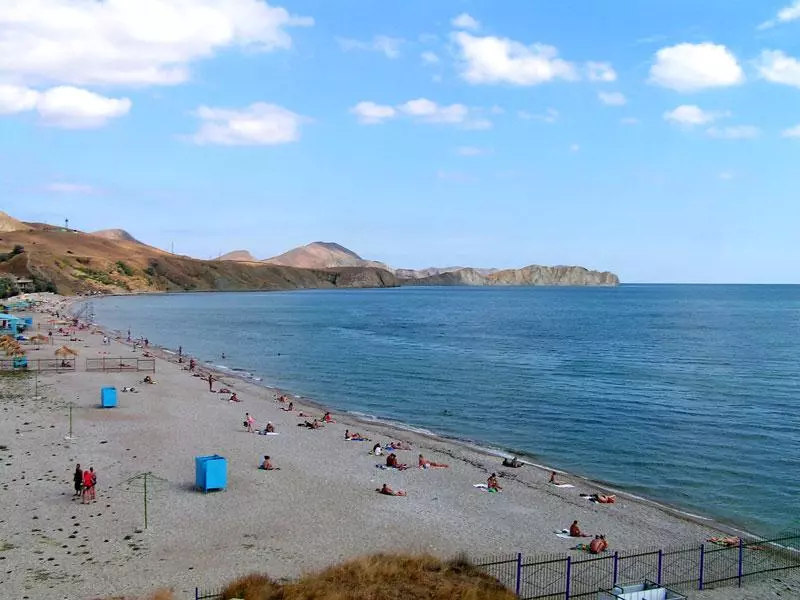 Strand auf der Krim bei Koktebel
Photo: Ilya Kalachev
Strand auf der Krim bei Koktebel
Photo: Ilya Kalachev
The west coast is known for its sandy beaches. Nearby lakes are renowned for their famous therapeutic mud. Along the entire west coast, you can retreat from prying eyes in secluded bays. The most popular beaches in this part of Crimea are near the city of Yevpatoria. Those who prefer peace and quiet can enjoy the beaches of Tarkhankut.
The green southern coast of Crimea, whether it is Laspi Bay near Sevastopol or the beaches of Yalta, is known for its pebble beaches. The many small, cozy coves along the south coast attract thousands of nudists every year. The most popular beaches are near Yalta, Partenit, and Miskhor (Moshor).
The beaches in the southwest are also very popular. There is plenty to see here: the ruins of the old fortress near the beaches of Sudak, the Kara-Dag Nature Reserve, the cozy coves of Novy Svet, and the famous Tsar’s Beach.
Unfortunately, sanitary conditions at free public beaches leave much to be desired. We therefore recommend looking for beaches at wellness hotels or a remote cove. The latter option takes a lot of time, but gives you the opportunity to get to know Crimea better.
Quick facts: Crimea’s beaches
- Crimea has different coastal and landscape areas along its western, southern, and eastern shores.
- Sand, pebbles, rocks, coves, and open stretches of coast do not offer the same swimming and walking conditions.
- Yalta, Sevastopol, Sudak, Koktebel, and Feodosia are distinct places, each with its own coastline.
- Water temperature, wind, waves, shade, and the seabed can all affect your stay depending on the season.
- Access routes, entry, facilities, daylight, and the return journey should be checked for each specific beach.
- Current safety, entry, transport, and access conditions take precedence over older travel descriptions.
- Crimea’s coasts differ considerably in beach type, landscape, development, and accessibility.
- The west is characterized by sandy beaches and shallower stretches, while the south alternates between coves, pebble beaches, and hillsides.
- For current travel decisions, the security situation, access, and transport conditions matter more than older beach descriptions.
- Families, those seeking peace and quiet, and people touring the region need different criteria when choosing a stretch of coast.
- On site, check the water, shade, restroom facilities, return route, and a weather-appropriate alternative.
Which beach region is right for you?
When planning, it is worth considering Crimea’s different coastlines. The west coast, south coast, and individual coves vary considerably in their landscapes, beach types, and surroundings. For further guidance, see the overview of Crimea.
Choosing Crimea’s beaches with location and season in mind
Crimea’s beaches vary considerably by coast, terrain, and surroundings. There are stretches with pebbles, rocks, promenades, resort towns, and quieter coves. When planning a trip, don’t rely on well-known names alone; carefully check accessibility, facilities, seasonal crowds, and current advisories.
Particular care is needed when making statements about current travel conditions. Current safety and transport advisories are also needed to assess the coastal regions. Different stretches of beach will suit families, beach holidaymakers, and people touring the region.
Choose a beach region to suit your own needs
The west coast is often associated with sand, gentler shorelines, and long, open stretches of coast. Yevpatoria is a well-known reference point as a historic seaside resort, while Tarkhankut is better known for its remote landscape and coves. Such descriptions provide geographic and historical context. They do not automatically indicate which beaches are accessible today or the conditions under which a visit might be possible.
The south coast has a different character. Between Yalta, Alupka, and smaller towns, promenades, coves, pebble beaches, and steep slopes alternate. As a result, a short distance on the map can mean a longer journey involving stairs, traffic, or limited access. Anyone travelling with children, a lot of luggage, or reduced mobility should take particular care to check the surface, shade, restroom facilities, and the actual return journey.
For the kind of beach holiday that was once common, the beach, accommodation, and excursions were often planned together. Today, the order needs to be reversed: first check current safety and official advisories, then access, transport, and possible overnight stays. If anything remains unclear, do not make a remote stretch of coast a definite backup destination. Historical information remains valuable, but it must not replace current guidance.
For a purely geographic exploration of Crimea, you can compare different types of coastline. Sand appeals to different interests than rocks, pebbles, or a narrow cove. The surroundings matter too: a place with a promenade and amenities is very different from a natural stretch without reliable facilities. For families, short, easy-to-assess routes matter more than finding a particularly secluded spot. People touring the region should also allow time for moving between places and returning.
Older claims about therapeutic mud, free beaches, or sanitary conditions should not be generalized. Services, access routes, rules, and conditions can change. When comparing sources, check their date, who is responsible for them, and which specific stretch of coast they cover. Planning a future trip also means checking insurance terms, communication options, and what to do if transport links are disrupted. This keeps the geographic overview useful without turning historical impressions into guarantees about the present.
The timing of a trip should also suit the planned activities. A quiet walk, a historical visit, and a longer stay by the water place different demands on the weather, daylight, and available services. For remote coves, consider the outward and return journeys not just on a map, but with realistic breaks and an accessible alternative in mind. If access or safety is uncertain, do not set off for that stretch of coast spontaneously. This is especially important for remote routes without reliable facilities.
Choose a stretch of coast by location and beach type
Crimea does not have just one type of beach. The west coast tends to offer open sandy stretches and gentler shorelines, while the south coast is more characterized by coves, slopes, and stony or pebbly shores. On the east coast, beaches, rock formations, and towns with distinct characters meet. The Crimea overview and information about Ukraine can help put the geography in context.
Yalta, Sevastopol, Sudak, Koktebel and Feodosia should not be compared on the basis of the word “beach” alone. Factors to consider include the terrain, slope, access, wind, shade, accommodation, and whether a day on the coast can be combined with a city or cultural destination. Allow extra time for long coastal routes.
Before making concrete travel plans, check the latest information on getting there and transport, travel preparation, entry requirements and documents, and travelling safely. Nature and landscapes can help you choose a coastline, while culture and history is useful for cities and historic sites. Check the latest country information for Ukraine before your trip. If information is contradictory or cannot be relied upon, postpone your beach visit.
FAQs about Crimea’s beaches
Which coast is best for sandy beaches?
Western and some eastern stretches are often associated with sand. Confirm the terrain, access, and actual conditions for the specific location and date.
Are Yalta and Sudak good bases for a beach trip?
Both places combine a coastal location with their own distinctive urban and landscape features. Beach types, routes, accommodation, and current access conditions vary.
What should you plan for a day on the coast?
Include the weather, wind, terrain, shade, drinking water, return journey, transport, and any possible closures in your day’s plans.
Which information takes precedence?
Current safety, entry, transport, and access advisories are authoritative. Older statements about swimming conditions or facilities are not a guarantee of what is available today.
