
Plan a river cruise with the right stops and excursions
A river cruise connects several places without requiring travelers to change hotels at every stop. The ship becomes a fixed base, while ports, landscapes, and cities shape the itinerary. This type of trip is especially suited to people who want to explore different regions along the way but value manageable distances and a relaxed daily pace. Before booking, however, make sure the route, ship, excursion options, and your personal mobility needs are a good fit.
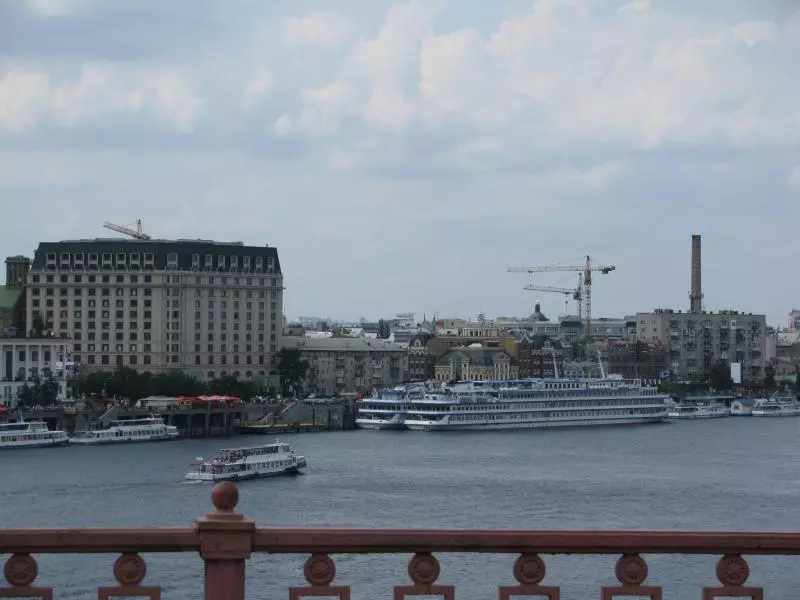 Mehrere Flusskreuzfahrtschiffe liegen am Dnepr vor der Stadtkulisse von Kiew.
Photo: Ilya
Mehrere Flusskreuzfahrtschiffe liegen am Dnepr vor der Stadtkulisse von Kiew.
Photo: Ilya
River cruises: key facts
- The route and direction of travel determine which places you can visit in the morning or evening.
- Time in port is not automatically the same as time available for sightseeing.
- Cabin location, deck, elevator access, and distances on board all matter for comfort and mobility.
- River cruises usually have a set basic structure, while excursions allow for different paces.
- Luggage should be light enough to manage on transfers, train journeys, and the walk from the landing stage to your accommodation.
- The season and water levels can affect schedules, views, and the timing of excursions.
Choosing a route and travel pace
Start by considering whether you want to focus on landscapes, cities, culture, or relaxation. A route with many historic places calls for different preparations than a trip through tranquil river scenery. If you enjoy long walks, you might prefer ports with old towns that are easy to reach. For nature lovers, the guides to rivers, waterfalls, and gorges and to lakes and wetlands offer ideas for landscapes to explore.
A packed itinerary with many stops may look appealing on paper, but short stays in port can make it tiring. Check whether you can walk from the landing stage to an excursion, whether a transfer is needed, and how much time there is to spare before departure. Adding a free day or a longer stay before and after the cruise makes the trip more relaxing. Ideas for cities, old towns, and architecture can help you choose destinations with a clear focus.
Comparing ships and cabins
Ships vary in size, atmosphere, deck layout, and how excursions are organized. A smaller vessel may feel more manageable, while a larger ship may offer more shared spaces. What matters is whether the amenities on offer actually suit your day-to-day needs. Ask in advance about elevators, stairs, the sun deck, restaurant hours, Wi-Fi, and options for special dietary requirements.
Your cabin also affects the trip. An outside cabin offers a different view from an inside cabin; a cabin near the engine room or beneath busy areas may not be ideal for light sleepers. When choosing, also consider the distance to the restaurant and the exit. If you are traveling with children, family-friendly leisure offers additional suggestions for breaks and accessible day trips.
Planning excursions realistically
An organized excursion takes care of the route planning, but is often tied to a fixed group and schedule. Exploring independently gives you more freedom, but requires up-to-date information about opening hours, the return journey, and the landing stage. In either case, aim to return well before the scheduled departure. If time is limited, a city museum, market, or short walking tour may be a better choice than a destination farther away.
When visiting castles, museums, and places of worship, consider the physical demands involved. Stairs, cobblestones, and long walks are easy to underestimate on a river cruise. The pages on museums and exhibitions and history and memorial sites make it easier to choose according to your interests. For a more restful change of pace, time out in nature and free time on board are important too.
Travel season, luggage, and safety
The best time to travel depends on the scenery you want to see, the temperatures, and what you find comfortable. For walks ashore, pleasant temperatures matter more than having the busiest possible schedule. Pack light layers, non-slip shoes, a small bag for excursions, and any personal medication. Keep valuables in a safe place.
If there are delays, route changes, or special requirements, it is a good idea to contact the tour operator directly. The European Union provides information on basic passenger rights; the rules that apply depend on the mode of transport, route, and contract. If you book your inbound and return journeys separately, it is best to plan an extra overnight stay. For traveling by train, planning your journey in stages can help you estimate transfers and luggage needs.
If you are prone to motion sickness, choose a cabin near the middle of the ship if possible and bring simple remedies for nausea. It is also worth checking in advance whether you can skip a shore excursion because of the weather or your own comfort. That way, the trip can still be enjoyable even if you do not take part in every activity.
FAQ
Who are river cruises suitable for?
They are suited to travelers who want to visit several places while enjoying a fixed base, short journeys ashore, and a manageable daily schedule.
How much luggage should I bring?
Bring what you need, but keep it as compact as possible. One suitcase and a small bag make transfers, excursions, and getting around on board easier.
Can I take excursions independently?
Often, yes, as long as the time in port, the distance to the landing stage, and your return fit the schedule. The departure time should always take priority.
