
Lena River cruise: Yakutia on Siberia’s great river
The Lena is one of Siberia’s great rivers, shaping Yakutia with its broad banks, vast distances, and a short navigable season. A Lena River cruise is therefore not an ordinary city break. Travel arrangements, weather, daylight, port conditions, and the number of available connections all determine how much is actually possible along the way. Anyone planning this kind of trip should give equal consideration to the landscape and the logistics.
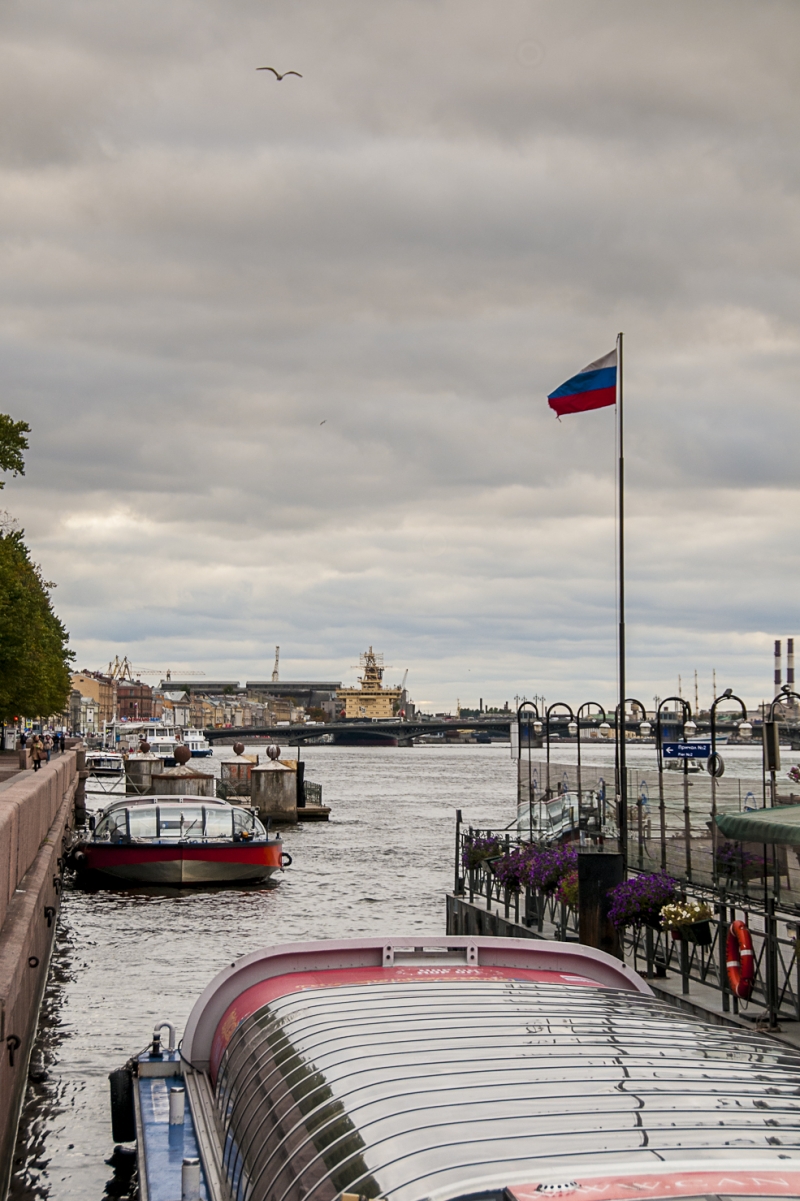 Breiter Fluss mit kleinen Booten, Uferbebauung und bewölktem Himmel als stimmungsvolles Bild für eine Reise an einem großen russischen Strom.
Photo: Alesia Belaya
Breiter Fluss mit kleinen Booten, Uferbebauung und bewölktem Himmel als stimmungsvolles Bild für eine Reise an einem großen russischen Strom.
Photo: Alesia Belaya
Quick facts: Lena River cruise
- Yakutia is vast; considerable distances may separate the airport, city, port, and excursion destinations.
- The season for river cruises is short and depends on ice, water levels, and local weather.
- Rocky banks, taiga, open stretches of river, and occasional landing points shape the character of the trip.
- A long journey to the region calls for a buffer in case of delayed connections or schedule changes.
- Outside summer, cold, short days, or ice can have a major impact on travel plans.
- Up-to-date information from tour operators, authorities, and safety services is essential before booking.
Yakutia and the Lena as a travel destination
The appeal of a trip on the Lena lies in the sheer scale of the landscape. Banks, rock formations, forests, and the long stretches between landing points offer an impression of Siberia that is difficult to experience in a short time by land. Yakutsk can serve as a starting point for getting oriented and visiting museums; the river journey itself, however, follows a different rhythm from a stay in a large city.
For planning your schedule, information about Yakutia provides the regional context. For a broader perspective, see Russia and Rivers and waterscapes. If you want to compare other major waterways, river cruises in Russia and lakes and wetlands offer further points of reference.
Plan travel and stages conservatively
Before booking, make sure the departure port, ship’s route, sailing dates, and return options are clearly established. Getting there may involve several modes of transport. A delayed flight or missed transfer is harder to make up for on a remote route than in a major European city. An extra day at the departure point may therefore be more sensible than a tightly packed itinerary.
The travel checklist is useful. For documents and proof of identity, see passports and personal documents. Long journeys can be better organized with the advice on train travel and local transfers. Addresses, tickets, and translations should also be saved using offline maps and translation.
What matters on board and during shore excursions
On a major river, long stretches of sailing alternate with short shore excursions. Keep weatherproof clothing, shoes with good grip, sun protection, and medication close at hand. Even in summer, wind and cold can feel much more intense on the water. For excursions, travelers should take their fitness, the distance to be covered, and the return time into account. On remote stretches, it is especially important to stay with the group and follow the crew’s instructions.
Rock formations and natural areas are fragile. Keeping your distance, staying on marked trails, and treating animals and plants with care are all part of responsible travel. Photography should capture the landscape without putting people or private spaces in the frame without permission. At cultural sites, observe dress codes, photography rules, and local customs. If you combine the trip with history or city visits, don’t plan more activities than your travel schedule allows.
For downtime between stages, quiet nature breaks can be a good option. You can complement your regional experience with regional cuisine, provided your specific accommodation or travel package makes this possible. Unusual types of travel and vacation ideas let you compare a cruise with a train or overland trip.
A Lena River cruise is suited to people who are happy to embrace long distances, wildlife and landscape observation, and a slow pace of travel. If you want to see many sights every day or change your route spontaneously, consider a different kind of trip. Before making any decisions, confirm current schedules, entry requirements, the security situation, insurance, payment terms, and cancellation options in writing.
Realistic expectations are particularly important. A long route does not automatically mean frequent shore excursions. Some days are spent mostly sailing and taking in the scenery. That can be part of the appeal for travelers seeking peace, open spaces, and time to observe. If, on the other hand, you prefer short city visits and plenty of amenities, consider spending more time in Yakutsk or giving greater weight to a combined overland itinerary.
For clothing, layering is more practical than relying on one very warm garment. Wind on open water, sunshine on shore, and cool indoor spaces can all occur on the same day. Binoculars, a small camera, and a notebook suit this kind of trip, but should never take priority over staying safe on board and along the banks. The slower pace rewards attentiveness to the landscape, the weather, and local routes of everyday life.
FAQ
When is a Lena River cruise possible?
The navigable season is short and depends on ice, water levels, weather, and the specific services on offer. Current schedule information is essential.
How do I get to the departure point?
This depends on the route and tour operator. Flights, transfers, and the ship often need to be coordinated, so allow plenty of time for connections.
Is this trip suitable for families?
It may suit older children who are interested in nature and long days of travel. Make sure to check the cold, available supplies, walking distances, and long journey to the region carefully in advance.
When choosing a specific trip, consider the travel dates, distances, access, and current conditions together. Also check whether the stage fits your budget, mobility, and preferred pace of travel. A small time buffer makes it easier to adapt to changes in weather, transport, or seasonal opening hours. For a Lena River cruise, the departure point, connections, and return journey should therefore be tailored to the specific daily itinerary.
