
River cruises in Russia: the Volga, Lena and cities
Russia is a land of great waterways. The Volga, Lena, Yenisei and other rivers connect landscapes, cities and very different climate zones. A river cruise can therefore combine cultural experiences, expansive riverbanks and long stretches of travel. At the same time, distances, season, port conditions, and current entry or safety advisories are so important that an older route description should never be treated as a current booking recommendation.
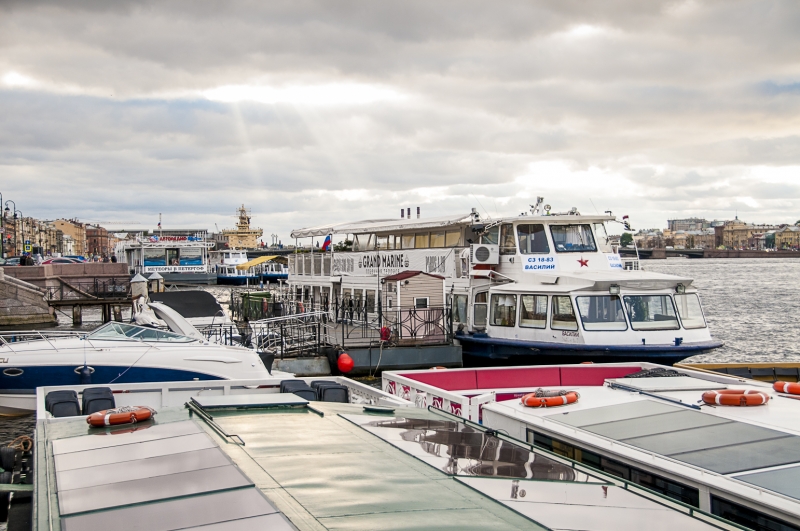 Flussboote und Uferbebauung an der Newa unter bedecktem Himmel als Bild für die Verbindung von Stadt und Wasserweg.
Photo: Alesia Belaya
Flussboote und Uferbebauung an der Newa unter bedecktem Himmel als Bild für die Verbindung von Stadt und Wasserweg.
Photo: Alesia Belaya
Quick facts: River cruises in Russia
- River trips in Russia vary greatly depending on the river, region, ship, season and departure port.
- Volga routes often connect cities and historic sites, while Siberian routes are shaped more by landscapes and distance.
- The actual duration and ports of call should be confirmed in the specific offer.
- Outside the warmer months, ice, short days and limited operations can affect a trip.
- Entry requirements, insurance, payment terms and the security situation should be checked immediately before making a decision.
- For long stretches of travel, it is especially important to allow extra time for arrival, transfers and possible changes.
Which river trip suits your interests?
The Volga is a good choice for travelers who want to combine cities, history, riverside scenery and organized shore excursions. A trip on the Lena is more suited to those seeking vast open spaces, nature and unusual distances. Other rivers each have their own character. So the name of the river alone is not enough: what matters is the route, daily schedule, length of stay and whether the focus is more on culture or landscape.
For a combination of waterways and scenery, see the information on rivers, waterfalls and gorges. Historic city visits can be planned with the help of cities and architecture and history and memorial sites. For the Volga, see the information on river cruises to the Golden Ring; for Siberia, see Lena River cruises.
Compare routes, ports and seasons
Before booking, travelers should consider the entire journey: getting to the port, boarding, travel legs, shore excursions, disembarkation and the return trip. A ship may dock outside the city center, and an excursion may be shorter than the distance on the map suggests. Cabin location, meals, the language spoken on board, medical care and cancellation terms can also affect the experience.
The warmer months are an obvious choice for many classic river cruises, but seasons do not follow the same pattern in every region. On northern or Siberian routes, short summers, ice and long journeys to the starting point should be taken into account. Check current schedules, port notices and official advisories again shortly before departure. This is more important than historical information about prices or trip duration.
For personal preparations, the travel checklist can help. Prepare documents and any required permits using the information on passports and personal documents. For long journeys, train travel, transfers and offline maps are useful additions.
Cities, nature and everyday life ashore
A river cruise is more than a journey on the water. Shore visits reveal railway stations, markets, museums, churches, residential neighborhoods and riverside paths. If you only take the organized excursion, you often see a place within a limited time window. It helps to have a realistic focus: a museum, historic square, riverside walk or local market may be more rewarding than several far-flung stops.
When visiting local sites, respect religious customs, photography restrictions and the privacy of homes and workplaces. For regional specialties, regional cuisine can be a useful starting point. Between long stretches of travel, take time for peaceful breaks in nature. If you want to compare other types of trips, see special types of travel and vacation ideas.
A river cruise in Russia suits travelers who want to experience vast distances as part of one continuous itinerary. It is less suited to people who want to stay in one place for a long time on impulse or make their own decisions every day. In that case, a train journey, individual city stays and flexible accommodation may be a better choice. What matters is not the size of the country alone, but whether the route suits your own pace.
Communication should also be planned realistically. On remote routes or when dealing with local service providers, information in English or German cannot be taken for granted. Keep important addresses, booking details and emergency contacts available offline and on paper. A second payment option, medication in your carry-on luggage and a plan for missed connections can make long stretches of travel easier to manage.
FAQ
Which rivers are suitable for a cruise?
The Volga and Lena are often associated with river trips in Russia. Whether a particular route is available depends on the season, tour operator, ship and current situation.
Can a river cruise in Russia be planned at the moment?
This can only be answered using current information from tour operators and authorities, as well as current safety advisories. Historical travel reports are not sufficient.
What is the difference between the Volga and the Lena?
Volga trips are often associated with cities and culture, while Lena trips focus more on vast open spaces, nature and long distances. The specific route can change this character.
