
Museum of Stones in Minsk: Erratic Boulders, Landscape and Geology
At a glance: Museum of Stones
The Museum of Stones in Minsk houses a unique collection of remarkable stones. It is located in Uruchye, one of the eastern districts of the Belarusian capital. The open-air exhibition features enormous stones spread across an area roughly the size of ten football fields. Belarusian geologists explain that these stones, known as erratic boulders, are a relatively rare geological formation. The stones on display bear witness to the last Ice Age on our planet. To create the exhibition, erratic boulders were brought to the museum in Uruchye from all over Belarus.
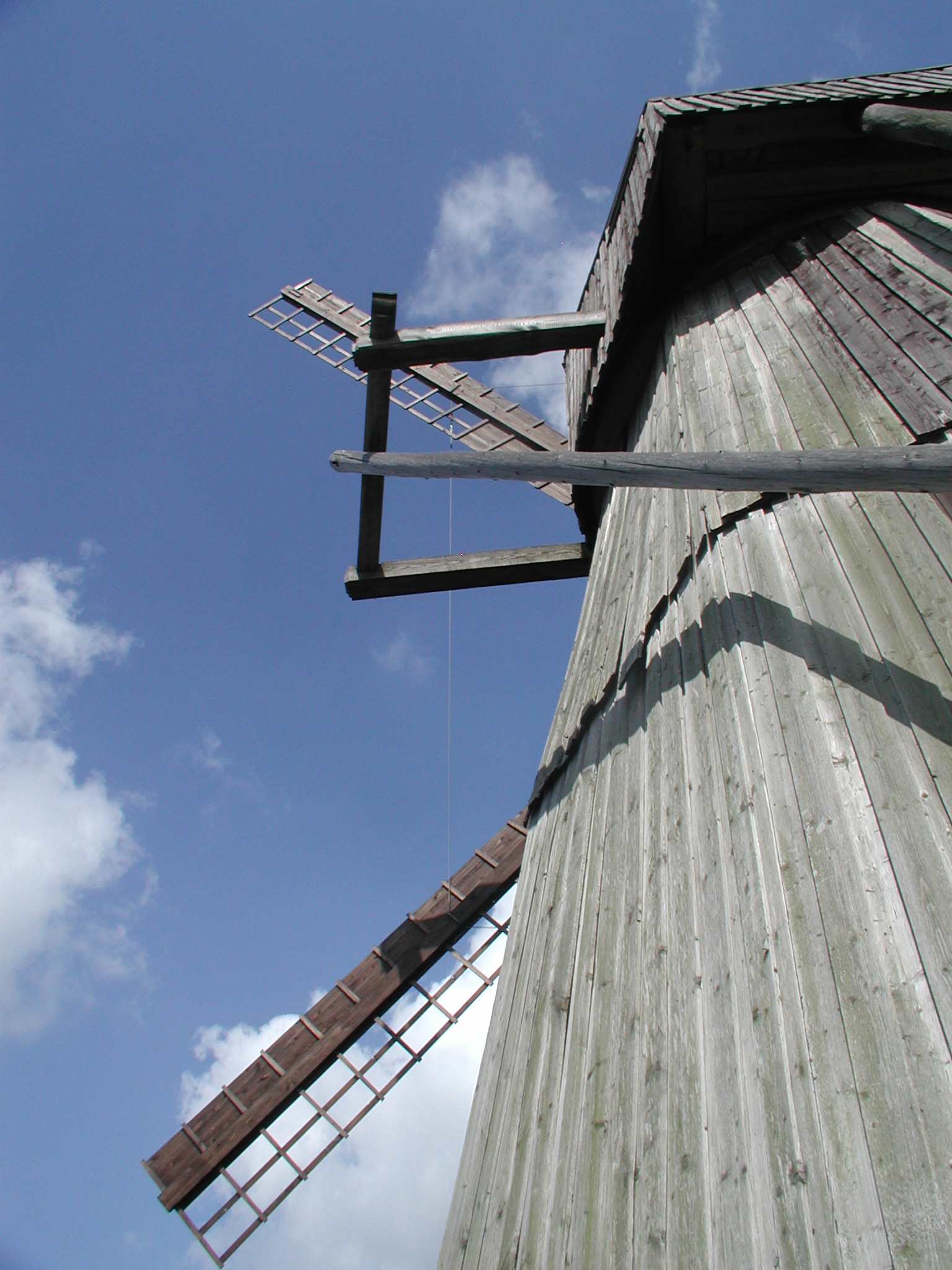 Historisches Windrad als Beispiel ländlicher Technik und Handwerkskunst.
Photo: Markus Lenk
Historisches Windrad als Beispiel ländlicher Technik und Handwerkskunst.
Photo: Markus Lenk
- The Museum of Stones is located in the Uruchye district of Minsk.
- Erratic boulders and geological objects can be viewed in a park-like outdoor setting.
- The arrangement of the stones illustrates the region’s landscape and geological history.
- An outdoor visit depends more on the weather, ground conditions, season and daylight than a visit to an indoor museum.
- Minsk, its parks and its other museums are separate city destinations, each requiring its own travel time.
- Check opening hours, access, transport, safety, weather and current notices before your visit.
The stone park lies in a scenic area, in a valley where a river once flowed. Today, only a small stream remains. The exhibition is more than a collection of large stones: they have been deliberately arranged to form a map of Belarus, complete with its borders and cities.
The museum has rare exhibits with rich histories—«the pearls» of the collection. One of the stones, for example, once stood at the center of a pagan shrine that remained in the area of what is now Krasnoarmeyskaya Street in Minsk until 1927. According to legend, this large stone had miraculous powers and could cure infertility. A spring with healing waters was nearby. When the Bolsheviks came to power, the spring was filled in and the priests who performed the sacrifices were punished. In the 1980s, when the Museum of Stones was being established, the large stone was brought here.
The museum’s founders joke that, in a few centuries—or even millennia—scholars of the future will puzzle over what this place was and what purpose it served, much as archaeologists today puzzle over the mysteries of Stonehenge or Easter Island.
Planning a trip to the Museum of Stones
The open-air site in Uruchye can be combined with a stay in Minsk, but it is not right next to every city-center attraction. Plan your journey using the information on getting around and public transport. Those interested in other geological and landscape topics can find related ideas in nature and landscapes. On a longer tour of Belarus, connect Minsk with other regions according to distance, transport and your interests. Further information about Belarus can help with practical planning.
Sturdy shoes, weather-appropriate clothing and enough time to walk the grounds are recommended. The site may feel quite different in rain or snow, or during maintenance work. Check access, lighting, seating and the actual condition of the paths before setting out. If you prefer a shorter itinerary in the city center, you could visit Gorky Park or Mikhailovsky Park instead.
Distinguishing geology from legend
Geologically, the erratic boulders can be viewed as traces of the Ice Age; stories about their former religious or healing significance belong to local tradition. Both perspectives can be considered side by side, but they should not be presented as medical promises or as definitively established historical facts. For additional cultural attractions, consider the cultural program and the National Art Museum of Belarus.
For a longer stay, also prepare for entry requirements and documents and language and communication. This can help you clarify information about access and rules without assuming that old details about opening hours or services are still current.
Erratic boulders, park paths and Minsk’s urban setting
The Museum of Stones is best explored through its erratic boulders, outdoor grounds and geological interpretation of the Belarusian landscape. The Museum of Stones is in the vicinity of Minsk. Geographic information about Minsk provides additional context; check current access and visiting conditions separately.
A visit can be combined with Minsk’s parks, the Minsk guide, other museums in Minsk, hotels in Minsk and holiday apartments. Gomel and Brest are larger Belarusian tour destinations that require separate travel arrangements.
Before your visit, check getting around, public transport in Minsk, travel preparation, staying safe and money and payments. The latest travel and safety advice for Belarus takes precedence over older information about transport or opening hours.
FAQ about the Museum of Stones in Minsk
What can you see at the Museum of Stones?
Erratic boulders and geological objects are presented in a park-like outdoor setting, with attention to the landscape and geological history.
Where is the site?
The museum is in Minsk’s Uruchye district. Check the current public transport options and weather when planning your journey.
How much time should you allow?
Depending on your interests, a shorter walk may be enough; allow realistically for the paths, photo stops and the size of the outdoor grounds.
What should you check before visiting?
Confirm opening hours, access, paths, weather, daylight, transport and current local notices before your visit.
