
Beach Holidays and Beaches in Eastern Europe and Central Asia
A beach holiday in Eastern Europe and Central Asia can look very different by the sea, beside a lake, or along a riverbank. So choosing a destination is about more than just sand and sunshine: water conditions, access, wind, shade, amenities, and the return journey all matter too. Poland and the Black Sea coast offer different conditions from the Adriatic, a Baltic lake, or a remote shore in Central Asia.
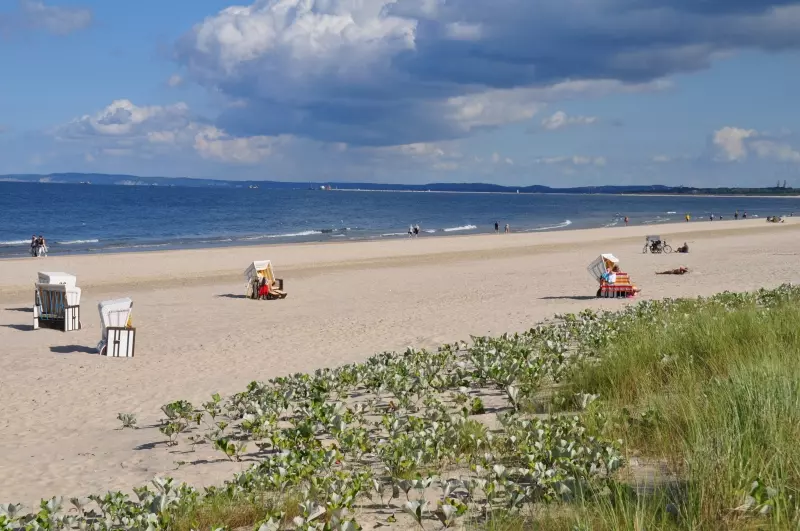 Breiter Sandstrand mit Dünen, Strandkörben und Badenden an der Ostsee.
Photo: Karin Höll
Breiter Sandstrand mit Dünen, Strandkörben und Badenden an der Ostsee.
Photo: Karin Höll
Quick facts: Beach holidays and beaches
- Sandy beaches, pebbly shores, rocky coastlines, and lakeshores all offer different swimming conditions.
- Water depth, waves, shade, and access matter more than a single beach photo.
- The time of year and the weather affect water conditions, wind, crowds, and opening hours.
- Families and people with limited mobility especially need clear routes and safe access to the water.
- Check for lifeguards, hygiene facilities, toilets, and food options before your beach day.
- A beach day can be combined with nature, culture, or regional cuisine.
Find the right type of beach
Wide sandy beaches are great for long days of swimming, games, and walks, while pebbly and rocky shores often call for sturdy water shoes and careful entry into the water. At a lake, wind and water temperature can change quickly. A riverbank is not automatically safe for swimming, even if the water looks calm. When planning, check information about the specific shore, consult local guidance, and look at access, terrain, and currents.
Poland’s Baltic coast, including places such as Świnoujście, is a good choice for travelers looking to combine the beach with a promenade and walking paths. Along the Adriatic in Croatia or Montenegro, coves, rock platforms, and pebble beaches are more common. In Bulgaria, large seaside resorts alternate with quieter stretches of coast. These differences can help you choose, but they do not replace checking the conditions at the specific beach.
Water, weather, and safety
Wind strength, waves, thunderstorms, and water temperature affect a beach day more than air temperature alone. Children should always be supervised near the water according to local conditions. It is wise to stay cautious around currents, slippery rocks, or uncertain depths. Warning flags, barriers, and instructions from lifeguards take precedence over your own judgment.
Sun protection is also part of being prepared. Shady spots are limited on open beaches, and dunes and sensitive shoreline areas may be off-limits. Water, a hat, sunscreen, and a dry change of clothes make the day more comfortable. If you need medication, special flotation aids, or a way to keep things cool, do not wait until you arrive to look for them.
Compare access and amenities
For families, short distances, gently sloping access to the water, toilets, and a safe place to take breaks all matter. Older travelers and people with mobility limitations should check the surface, stairs, ramps, and distance from the parking area or stop. A beautiful stretch of coast is not necessarily easy to reach. Rest and well-being come more easily when the day’s demands suit your fitness level.
Before planning a beach day in a remote spot, make sure you have shopping, drinking water, and the return journey sorted out. At busy beaches, early or later hours are often more relaxing, while small coves can fill up quickly in peak season. A short walk to explore nature and landscapes or a visit to markets and cafés can round out a beach day, as long as you take the heat and distance into account.
Combine swimming with your trip
A coastal holiday does not have to mean spending every day at the beach. Culture and history offer a change of pace when the weather is unsettled, while regional cuisine helps you plan meals and discover local offerings. In Dalmatia, you can combine the coast with visits to historic towns; in the Baltic states, beach walks, forests, and small harbor towns often go well together.
By honestly assessing routes, weather, and your own needs, you can more easily find a beach that really suits your holiday. This applies to family trips, a quiet week by the water, and tours with the occasional beach day alike.
Your specific choice should always suit your destination, the time you have, and local conditions. Up-to-date information from the relevant business or location takes precedence over older, general recommendations. If in doubt, a quick inquiry, a flexible day plan, and a simple alternative are often more useful than a very precise but outdated recommendation. When preparing, it is worth considering travel, breaks, weather, amenities, and the return journey together. That way, your plans remain workable even if a route, opening time, or your energy levels turn out differently than expected. A little extra time helps avoid unnecessary stress and leaves room for spontaneous decisions. It also makes it easier to coordinate with the rest of your travel group. For beach holidays in Eastern Europe and Central Asia, the time of year should therefore be considered alongside route conditions, opening hours, and the amount of daylight available.
Frequently asked questions
Is every beach suitable for swimming?
No. Check the shoreline, currents, water quality, access, and local guidance for the specific area.
What matters most for families?
Clear access, safe water depth, shade, toilets, short distances, and a suitable place to take a break.
When is the best time for a beach day?
It depends on the weather, wind, water temperature, and how busy the beach is. Checking current conditions in advance can help you decide.
