
Brest Region: Nature and Culture
Accommodation in Brest Region
The Brest Region offers forested and protected areas, as well as museums and historic sites. When planning your trip, you can first decide whether nature and cycling routes, urban history, or insights into regional everyday culture should be your main focus. These interests lead to different places and experiences.
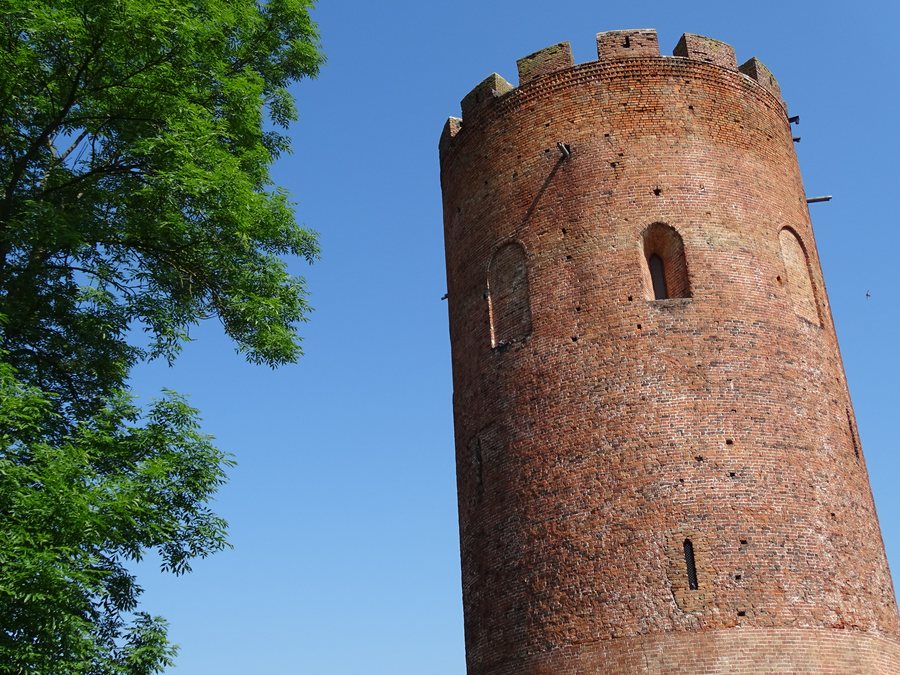 Byelaya Vyezha (White Tower), Kamenyets
Photo: Adam Jones from Kelowna, BC, Canada via Source, CC BY-SA 2.0
Quick facts about the Brest Region
- Belovezhskaya Pushcha covers about 90,000 hectares of primeval forest and is a UNESCO World Heritage Site.
- The cycling routes in the national park are 10, 25, 27, and 45 kilometers long. Check current access conditions before your visit.
- The Sporovsky nature reserve covers 11,288 hectares and lies in several districts of the Brest Region.
What natural areas and experiences are there?
Belovezhskaya Pushcha lies in the southwest of Belarus. The national park extends across the Kamenetsky and Pruzhansky districts in the Brest Region, as well as parts of the Grodno Region and Svislochsky District. It therefore does not lie entirely within a single region. Its vast forest landscape and UNESCO World Heritage status make nature a particularly prominent theme. An older park statistic reports more than 300 European bison; this figure should be understood as a historical value, not a current count.
At the park, the natural history museum and guided excursions offer further insights into the forest, animals, plants, and ecology of the area. The listed excursion destinations also include the estate of the Belarusian Father Frost; tourist routes and ecological educational trails are also part of the program. Check the current organization of tours and activities before your trip. The four published cycling routes offer a practical choice of distances, but do not indicate any specific ride times.
Water and wetlands also shape the region’s natural landscape beyond the national park. Recreation areas in the Brest Region are concentrated, among other places, around Lakes Beloe, Gat, Papernya, Vygonoshchanskoye, and Zavishche, as well as along the Mukhavets River. The marshy floodplains of the Pina and Pripyat rivers and the lakes of Polesie are home to rare plant and animal species. The Sporovsky nature reserve lies in the Bereza, Drogichin, Ivanovo, and Ivatsevichi districts. It is also Europe’s largest habitat for the aquatic warbler.
Which historic sites and museums are worth a look?
In Brest, the Brest Hero-Fortress memorial complex combines grounds with monuments, museums, and exhibitions about the events of June 1941. The Berestye Archaeological Museum offers a different way to explore the past: visitors can see excavated log houses and wooden paving from a medieval settlement. At the site where they were found, archaeology can be experienced firsthand.
In Pinsk, the historic center is designated an urban planning monument of republican significance. The buildings listed there include the Jesuit College, the Franciscan Monastery complex, St. Barbara’s Church, the building of the former Bernardine Monastery, the Church of St. Charles Borromeo, and the Butrymowicz Palace. A municipal concert hall opened in the Church of St. Charles Borromeo building after its restoration. The Museum of Belarusian Polesie complements the view of Pinsk with topics such as nature, archaeology, urban history, and Polesie culture.
Kossovo and Kamenets offer other distinct points of interest. The Puslowski Palace in Kossovo is a restored palace complex and a significant site in Ivatsevichi District. Guided tours are available there; check specific dates in advance. The Kamenets Tower is considered an important monument of Belarusian defensive architecture and a museum symbol of Kamenets.
Those interested in crafts, clothing, and everyday culture will find relevant themes in Motol and Bezdezh. The Motol Museum of Folk Art focuses on Polesie ethnography, crafts, clothing, and everyday life in Motol. The Bezdyezhski Fartushok Museum is known for its collection of traditional aprons, as well as Polesie weaving, clothing, and women’s handicrafts. When choosing accommodation, it can be helpful to first decide which of these themes you want to shape your travel plans.
Discover more destinations
Discover more destinations: Brest, Belaasjorsk, Novyja Zasimavičy, Silichi, Bereza District, Kobryn District, Baranavichy, Stolin, Panikvy, Medna, Lyakhavichy, Kamyanyets, Malinaŭka, Tscharnautschyzy, Ivanava, Antonava, Franopaĺ, Znamenka, Chierma, Aleksandrovka, Pinsk, Iwazewitschy, Kosava, Leashki, Kamianets District, Zhabinka District, Luninets District, Kamianiuki, Bielaliessie, Niachačava, Makovišča, Zubačy, Turna Vialikaja, Klejniki, Damačava, Hornava, Pagost Zagarodski, Dzivin, Zanaviny, Paulinava, Voĺka, Gintsevichi, Wyssokaje, Ružany, Brest District, Bereza and Cherni.
FAQ
What nature themes define the Brest Region?
Belovezhskaya Pushcha, the Sporovsky nature reserve, and the wetlands of the Pina and Pripyat rivers represent different nature themes. The national park has cycling routes with four published distances.
What can you discover in Pinsk?
The historic center includes several named buildings, including the Jesuit College and the Butrymowicz Palace. The Museum of Belarusian Polesie also covers nature, archaeology, urban history, and Polesie culture.
Which tours should I plan in advance?
Before your trip, check the current arrangements for guided excursions in the national park and the dates of tours at the Puslowski Palace.
For the overarching travel guide: Belarus.

