
North Macedonia: Skopje, Lake Ohrid and mountain landscapes
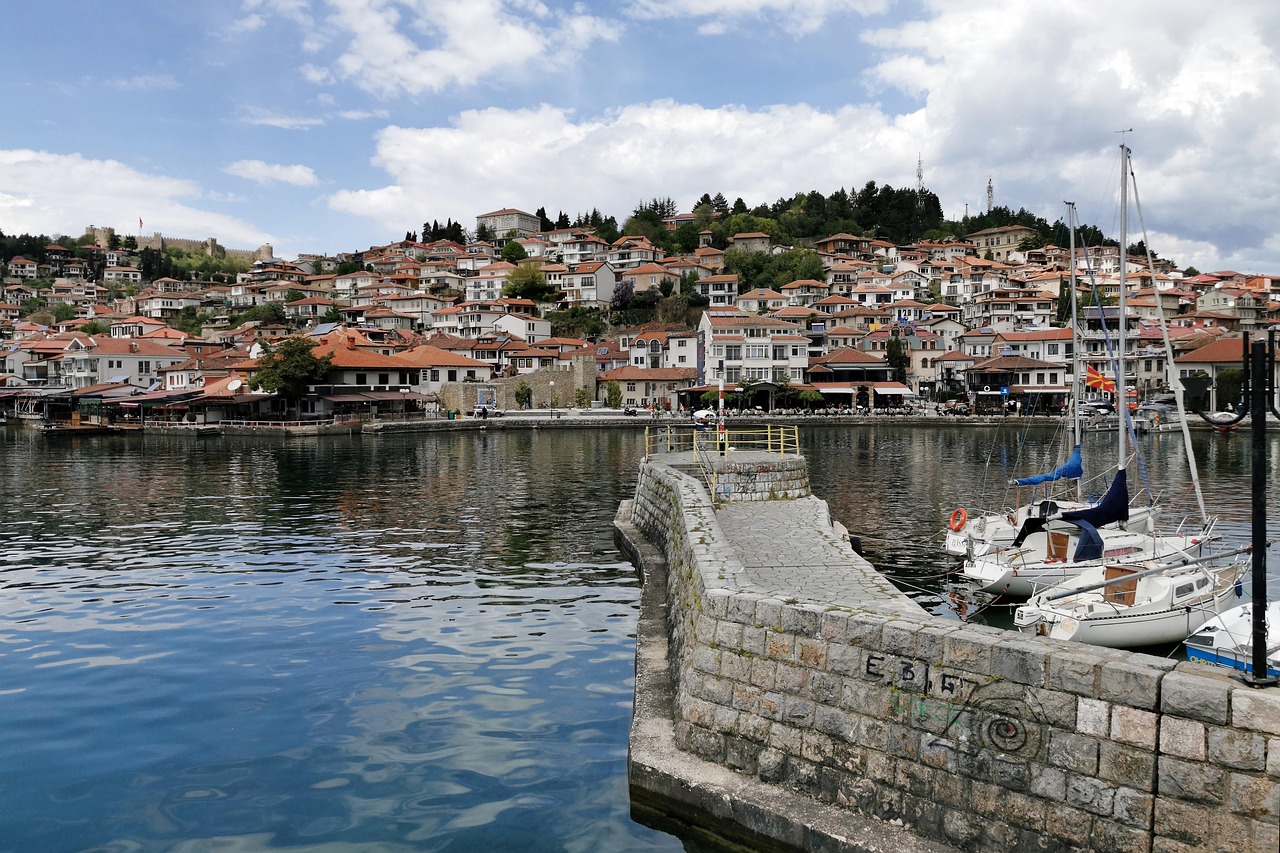 Hafen von Ohrid, Nordmazedonien
Photo: André Beer auf Pixabay
North Macedonia at a glance
- North Macedonia is a landlocked country in the southern Balkans; its capital is Skopje.
- Skopje lies in the north of the country on the Vardar River.
- Ohrid and Lake Ohrid are an international focus for natural and cultural heritage.
- Mavrovo National Park encompasses its own mountain and lake landscape in the west.
- Neighbouring countries are Albania, Kosovo, Serbia, Bulgaria and Greece.
- City sightseeing, lakeside visits and mountain destinations call for different itineraries and travel times.
Skopje: capital on the Vardar
Skopje brings together the Vardar River, museums, historic neighbourhoods and modern parts of the city. Kale Fortress stands on a hill on the river’s left bank; the Stone Bridge leads from the central square to the Old Bazaar. This sequence makes for an easy-to-follow walking tour: from the riverbank, across the bridge and into the older trading district. Set aside extra time for museums and more widely spread neighbourhoods.
Skopje works well as a first stop, a base for nearby excursions or the final stop on a Balkan trip. Skopje has a different character from the lakeside town of Ohrid and the mountain regions in the west. The capital is also a transport hub; longer journeys to Ohrid, Mavrovo or neighbouring countries start from the city centre. Choosing accommodation by neighbourhood can reduce travel between the bazaar, the river and the museums you want to visit.
Ohrid and the lake: culture by the water
Ohrid combines a historic old town with the shores of Lake Ohrid. Churches, monasteries, viewpoints and waterside paths make this a cultural and scenic hub worth a dedicated stay. The UNESCO listing covers the natural and cultural heritage of the region around the lake; the protected area extends across the border into Albania. Along the shore, you can combine a visit to the old town with time by the lake, while more remote viewpoints require extra travel.
Lake Ohrid is a transboundary natural area and, at the same time, the heart of the cultural landscape around Ohrid. This combination makes a stay here different from a city-only trip to Skopje. When planning your trip, it makes sense to allow separate time for the old town and the lakeshore, apart from the travel day, and to treat other lakeside destinations as individual legs of the journey.
Mavrovo and the mountain regions
Mavrovo National Park lies in western North Macedonia and encompasses a mountain landscape with Lake Mavrovo. The park offers a natural contrast to Skopje and Lake Ohrid. Altitude, road conditions and weather determine how much ground you can cover on a day trip. Mavrovo makes a distinct base for a multi-day nature trip.
Other mountain and lake regions add further variety to the country’s landscapes. A road trip works better if you don’t move between far-flung places every day: Skopje, Ohrid and a western nature stop are distinct bases. For hikes and mountain drives, daylight, rainfall and seasonal conditions affect which routes you can take. These areas are best suited to multi-day stays, rather than as an afterthought on a short city break.
Neighbouring countries and Balkan routes
Its location between several countries makes North Macedonia a possible stop on a longer Balkan route. The Balkans encompass varied landscapes and border crossings; Albania, Bulgaria, Serbia, Montenegro and Croatia are destinations in their own right. An overland route can link them according to their location and the time available; extra border crossings and long drives warrant overnight stops.
Depending on your direction of travel, North Macedonia can also be combined with Albania, Bulgaria, Serbia or Montenegro. Croatia and Bosnia and Herzegovina extend the trip into the western Balkans; Slovakia lies farther north and is a separate long-distance leg. Romania can also be part of a longer route. The order of stops depends on the road and bus connections actually available, as well as your time budget.
Travel seasons, getting around and accommodation
Spring and autumn are suggested for city breaks and road trips when moderate temperatures are ideal for longer sightseeing days. In summer, many travellers combine Lake Ohrid with an extended stay by the water; the mountain regions offer a different focus. For winter drives at higher elevations, road and weather conditions should be part of your daily planning. The character of a trip depends more on the region you choose than on the country’s size alone.
The overland journeys between Skopje, Ohrid and Mavrovo are long; winding mountain roads make driving times longer than straight-line distances on a map would suggest. When travelling by bus, consider the departure point, transfers and the return journey that day; by car, also factor in parking and driving conditions on smaller roads. Planning your trip in stages brings together getting there and transport, travel preparation and entry requirements and documents with the details of each travel day. Staying safe while travelling rounds out the practical preparations.
Choose overnight stops to suit your day’s destinations: a central location in Skopje makes city walks easier, while accommodation on Lake Ohrid saves you from long journeys along the shore. Culture and history and nature and landscapes represent the two main themes of a trip between Ohrid, historic sites and mountain regions.
Frequently asked questions about North Macedonia
Which destinations are good for a first trip?
Skopje offers a city experience, Ohrid combines an old town with the lake, and Mavrovo takes you into the mountains. Two of these areas can be combined sensibly if you allow enough time for the overland journey.
What makes the Ohrid region internationally significant?
UNESCO has listed the area for its natural features since 1979 and, since 1980, for its cultural heritage as well. The protected area also includes part of the lake in Albania.
Can you travel around North Macedonia by bus?
Cities and larger towns are accessible by intercity bus. Visiting remote monasteries and mountain destinations, or enjoying a flexible stay by the lake, requires a suitable local connection or an additional transfer.
How can you plan a Balkan route?
North Macedonia can be combined with neighbouring countries if border crossings, overnight stops and driving times are planned as separate stages. An itinerary with fewer bases leaves more time for Skopje, Ohrid and the mountain region.
