
Maramureş: Hotels and accommodations
Accommodation in Maramureş
The UNESCO ensemble of the wooden churches of Maramureş comprises eight churches representing different architectural periods and regions. Maramureș Mountains Nature Park is a protected area dedicated to preserving the landscape and local traditions and promoting tourism based on these values.
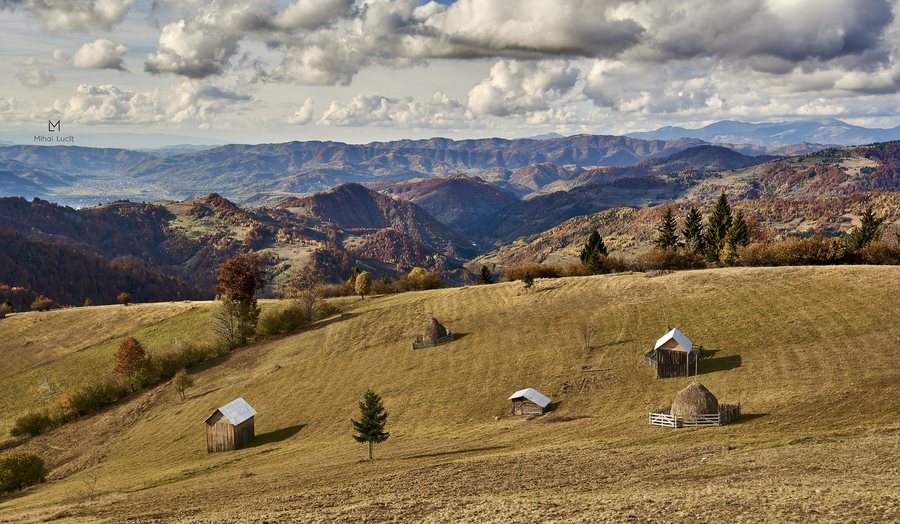 File:Maramures, Romania. (49096773591).jpg
Photo: Mihai Lucîț from Baia Mare, Romania via Wikimedia Commons, CC BY 2.0
File:Maramures, Romania. (49096773591).jpg
Photo: Mihai Lucîț from Baia Mare, Romania via Wikimedia Commons, CC BY 2.0
If you would like to visit Maramureş, you can book a hotel directly for your stay.
Culture and history
One of the notable cultural sites is the Merry Cemetery of Săpânța, which is now an open-air museum. More than 850 crosses stand in its churchyard; the first crosses were created in 1935.
The “Mihai Dăncuş” Maramureş Village Museum forms an ensemble comprising more than 30 monuments of rural architecture. It was designed as a regionally typical village that evolved over time from a scattered settlement pattern into a compact village. The museum is located on Dealul Dobăieş, about 500 meters from the DN18; this road leads to the valleys of Iza and Mara.
The Maramureş Ethnographic Museum has extensive collections on household management, traditional costumes, folk architecture, carpets, textiles, folk masks, and icons on glass, canvas, and wood. The Maramureş Museum is housed in a historic Baroque-style monument built in 1730. The exhibition “Sighetu-Marmației – 680” and a collection on the flora and fauna of Maramureş are displayed there.
At the Sighet Memorial, the former prison has now been converted into a museum area. The individual cells contain thematic or chronological presentations on political repression in the 20th century.
The “Dr. Ioan Mihalyi de Apşa” House Museum with art gallery is considered the first museum in Maramureş. Four rooms display original furniture, a library, and an extensive collection of paintings and documents.
Nature and landscape
Tăul Morărenilor encompasses distinctive terrestrial and aquatic habitats with reproductively isolated plant and animal species. It is the only place in Romania where black alder, green alder, and grey alder grow together.
The Mocănița narrow-gauge railway is also one of the region’s defining features. It is 56 km long in total; 43 km of it runs along the Vaser, with further sections along the tributaries Novăț and Ștevioara.
Routes and regional experiences
The Drumul Maramureșului offers more than 700 km of nature and cultural experiences that can be explored on foot or by bicycle. One of the designated routes is a 24 km, one-day section between Poienile de sub Munte and Vișeu de Sus. The Drumul Maramureșului also lists a visitor experience where you can learn about traditional cuisine and spend a day at Gospodăria – In Tierti.
Places in Maramureş
More location pages for Maramureş: Lăpușel, Hoteni, Comuna Satulung, Orașul Târgu Lăpuș, Comuna Ocna Șugatag, Comuna Bogdan Vodă, Orașul Seini, Satu Nou de Jos, Giulești, Petrova, Seini, Comuna Strâmtura, Orașul Ulmeni, Suciu de Sus, Săliștea de Sus, Firiza, Poienile Izei, Leordina, Sarasău, Comuna Desești, Comuna Remeți, Moisei, Municipiul Baia Mare, Vișeu De Jos, Coltău, Coruia, Târgu Lăpuș, Recea, Ruscova, Desești, Staţiunea Borşa, Săpânța, Onceşti, Săcel, Vișeu De Sus, Mittelstadt, Cavnic, Băile Borşa, Strâmtura, Săcălaşeni, Călineşti, Remeţi, Ieud, Bârsana, Sighetu Marmaţiei, Baia Mare, Ocna Sugatag, Borşa, Botiza, Vadu Izei.
For the higher-level travel overview: Romania.

.jpg)